Mantra's Significance in Transcendental Meditation
Transcendental Meditation revolves around sound, which takes the form of a mantra. We recite the mantra while remaining aware of our thoughts and watching them as they arise, much like a witness. This promotes mental calmness. The mantras facilitate the gap between the self and the subconscious. The body, mind, and central nervous system benefit immensely from chanting the proper mantras and the peaceful conditions they create. Spiritually speaking, they provide access to higher realms of awareness where control over life becomes more accessible.
The body is at rest, and the mind is concentrated during Transcendental Meditation. A fantastic transformation starts to occur in the brain. Mantras awaken the brain's latent regions and faculties and start the body's prana, or energy. Increased vitality, a clear, concentrated mind, and an expanded consciousness in harmony with the cycles of nature are common experiences for those who practise transcendental meditation.
His distinctive method combines traditional wisdom with innovative products, offering clarity, healing, and empowerment in personal and professional life.
Ashishh L Vyas defines transcendental meditation (TM) as an easy-to-learn practice that enables the mind to move past thought and into pure awareness. This technique allows people to access their inner store of happiness, creativity, and serenity. Unlike other types of meditation, TM doesn't call for mental control or concentration. Instead, to ease anxiety and promote mental calmness, it uses a mantra—a single, meaningless sound. Consistent TM practice improves mental clarity, induces deep relaxation, and fosters a stronger sense of self-connection, all contributing to general well-being.
Recognised for his unwavering dedication to people’s success, Ashishh has transformed lives across the globe.
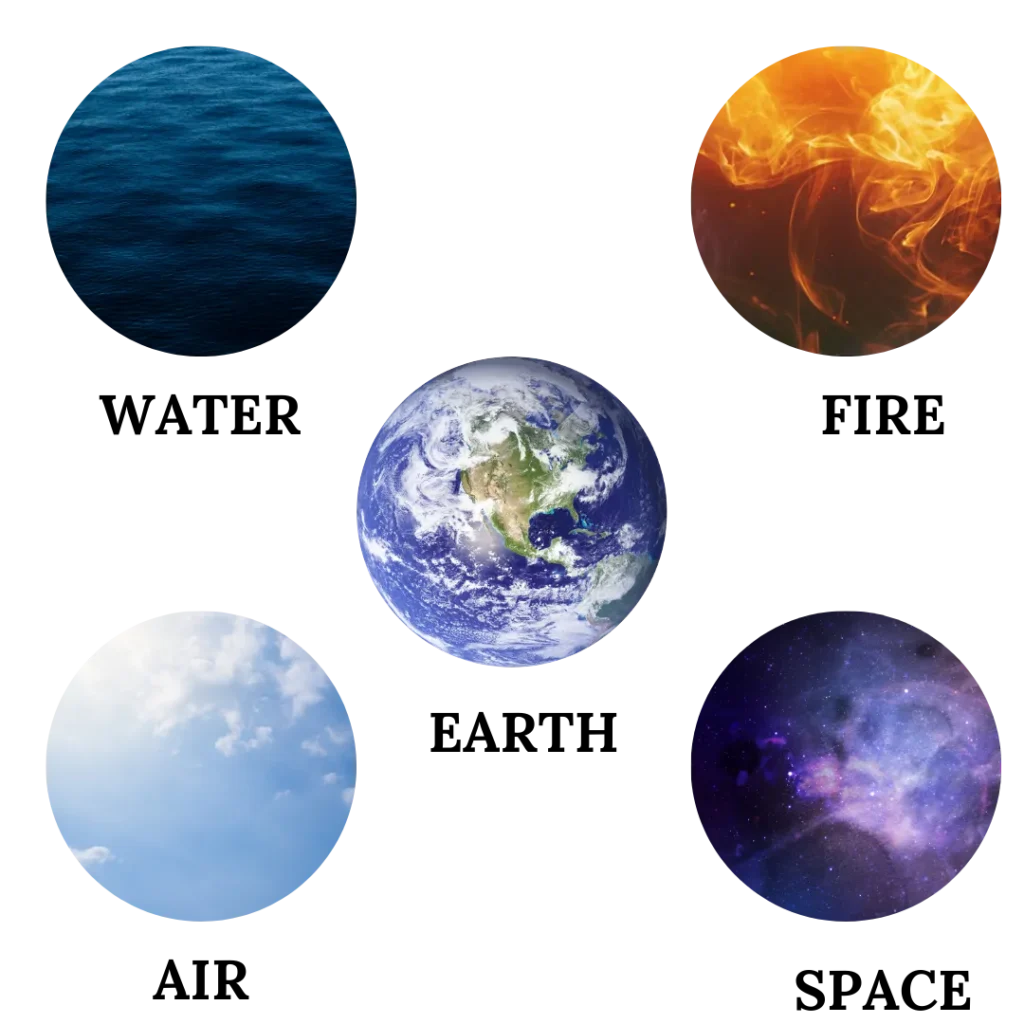
1. Water: Water symbolizes fluidity, adaptability, and purification. It represents emotions, intuition, and the subconscious mind. Water teaches us to flow with life's changes, to cleanse ourselves from negativity, and to embrace the power of intuition and sensitivity.
2. Air: Air represents the breath of life, communication, and intellect. It symbolizes freedom, movement, and the exchange of ideas. Air encourages us to remain open-minded, to communicate effectively, and to seek intellectual growth and enlightenment.
3. Fire: Fire is associated with passion, transformation, and energy. It symbolizes creativity, willpower, and vitality. Fire teaches us about the power of transformation, the importance of taking action, and the need to ignite our inner passions to achieve our goals.
4. Earth: Earth symbolizes stability, grounding, and materiality. It represents the physical world, the body, and the tangible aspects of life. Earth teaches us about patience, perseverance, and the importance of staying connected to our roots while striving for growth and abundance.
5. Space: Space represents the infinite expanse of the universe, the void from which all things arise and return. It symbolizes consciousness, spirituality, and the interconnectedness of all beings. Space teaches us about the expansiveness of the mind, the unity of all existence, and the boundless potential within each of us.